
About a year ago I wrote a paper on media bias in coverage of the Israel-Palestine conflict. In her feedback, my professor accused me of being a Palestinian sympathizer and in the same breath called me pro-Israel. This conversation, in my mind, highlights the fact that no matter how careful I am, neutrality on this issue has become nearly impossible.
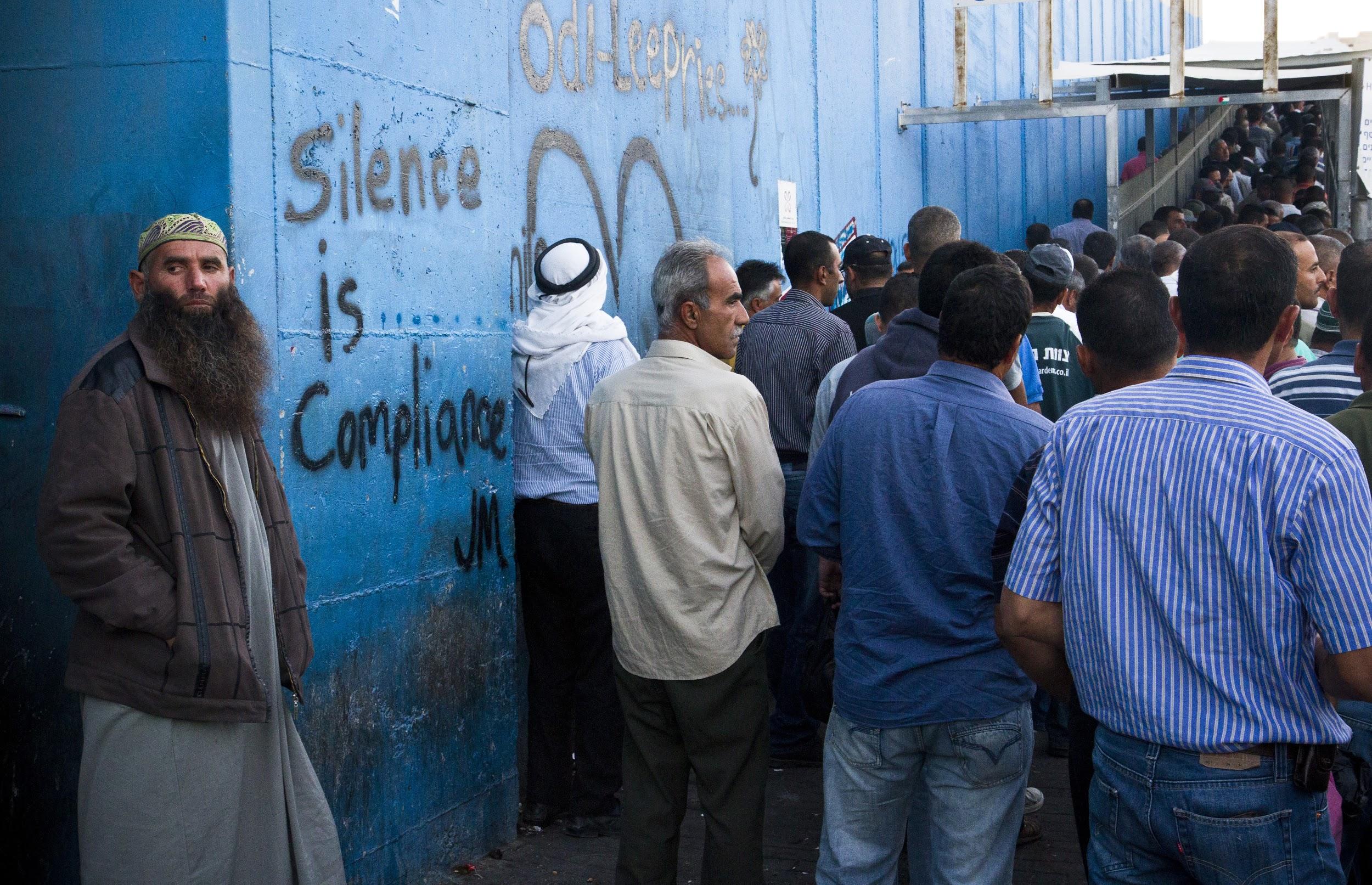
Bethlehem, The West Bank: Every morning hundreds of Palestinians line up at the barrier to make it through the checkpoint in time for work in Jerusalem. It often takes 3+ hours to make it through.
Let’s face it, no one wants to talk about the Israel-Palestine conflict. No matter what stance you take, you’re going to offend someone. Since violence and tensions have somewhat lessened since last year, or at least have become overrun by other more flashy news stories, there hasn’t been a whole lot of coverage on the conflict. Though governments may be in a constant process of peace talks and negotiation the situation for most Israeli and Palestinian citizens remains unchanged.
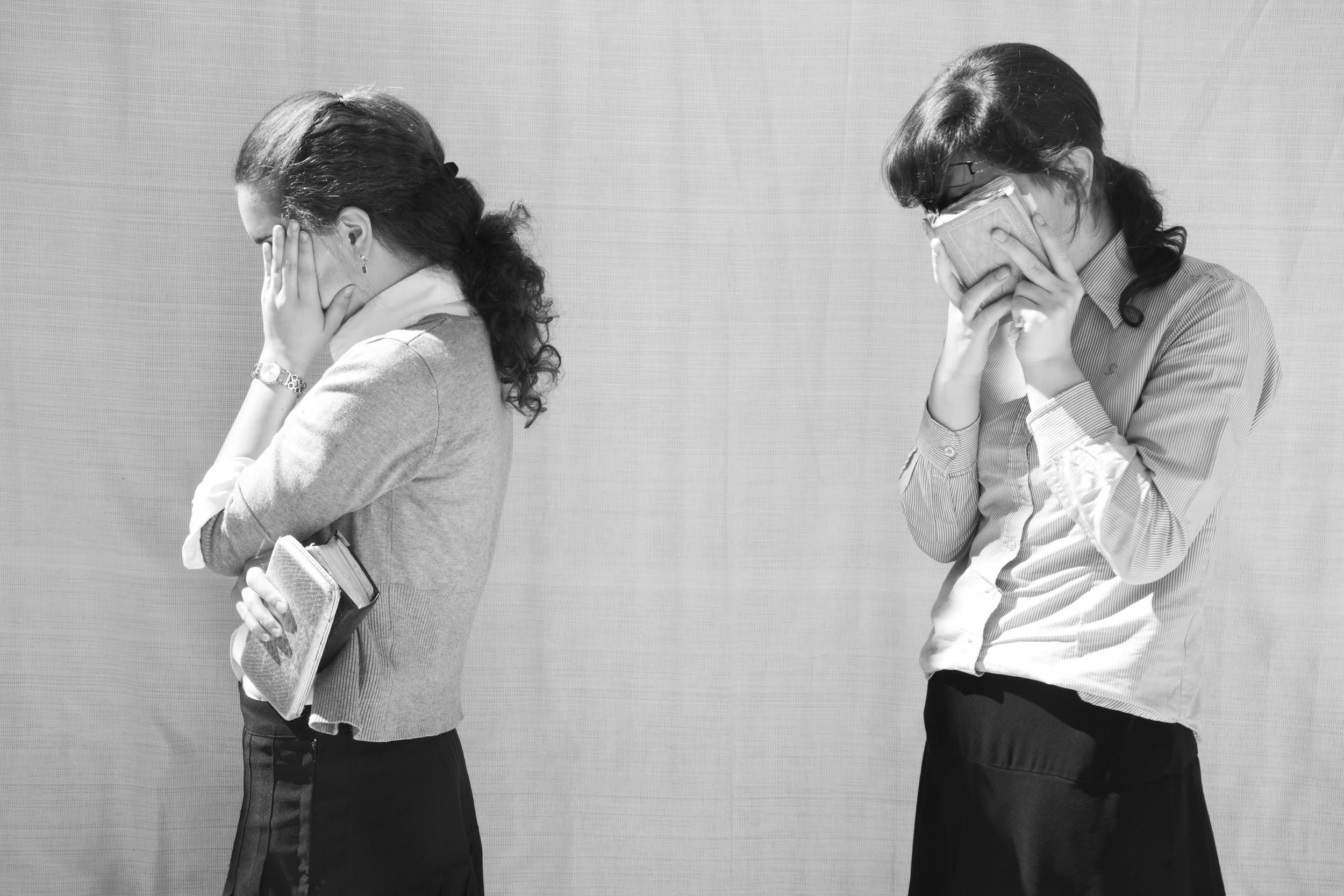
The Western Wall, Jerusalem
About three years ago I spent some time living in both Israel and the West Bank. As a writer and photographer I naturally blogged about my experience, and the response I got was both shocking and highly predictable. This conflict touches on so many aspects of history and culture that it has become absolutely polarizing on the fronts of ethnicity and religion. Like the situation with my professor I managed to piss off people on both sides as I desperately clung to what I liked to think was middle ground, searching for a “pro-peace” option.
 This was originally going to be my topic for Monday, but I decided to put this discussion off for a few days and showcase it here. Our “Fame Days”, after all, aren’t just about celebrating achievements but include shining the spotlight on noble issues or events we believe should have more attention, and I’d be hard-pressed to think of any idea more deserving than the “One-State Solution”.


 Culture War Reporters