Author Archives: Kat

2015’s Cultural Battleground – Kat’s Account

EDITOR’S NOTE: We end this year by each taking a look back and picking our five best posts, explaining both their importance to us and to the world we currently live in.  Clicking the banner images will link you to each post, so as 2014 comes to a close join us in remembering how far we’ve come, but also how far we still have to go.

RachelBrown

After the recent acts of Daesh terrorism in Paris I returned to this interview with PhD Candidate Rachel Brown to get some perspective. While Brown’s work was focused on food and religious identity in French and Quebecois Muslim immigrant communities, it also highlights how isolation and religious persecution can push young people towards accepting religious extremism. In the interview, Brown explains,

“I’m not really an expert in ISIS or Jihadist fighters or any of the topics that relate to this. I can say that when people, especially youth, feel alienated, when they don’t feel at home anywhere, this can lead to finding identity in extreme forms of religion. If the religious identity is the only identity that one feels they can claim, he/she is going to place a huge amount of importance on that identity.”

nestle

This year, a petition began circulating that condemned Nestlé’s operations here in British Columbia. While Nestlé has been operating here in B.C. for 15 years, residents became particularly concerned during the drought this past summer.  As Gordon has pointed out in his previous Shame Day post, Nestlé doesn’t have the greatest track record when it comes to respecting other countries and their water needs. In this post we take a closer look at the relationship between Canadian water and the American corporations that would like to bottle it up. Continue reading
This is What Environmental Racism Looks Like

Environmental racism was one of the most surprising concepts I encountered during my undergrad. It had just never occurred to me that where and how we polluted our environment would be intentionally arranged to affect some racial communities more than others.

In the States there have been several famous instances of environmental racism.

After the Second World War, for example, Chicago kindly provided African American veterans the opportunity to live in a housing community built atop an abandoned landfill. After serving their country and surviving the war these veterans came home to Altgeld Gardens Homes, a community that would have significantly high cancer rates because of exposure to toxic chemicals.

Then, in the 1970s and 80s, there was the Warren County PBC Landfill case, when the state of North Carolina decided to bury soil that had been contaminated with toxic polychlorinated biphenyls in Warren Country, a community with primarily black residents and a much lower income rate than the rest of the state.

With the very likely possibility of their drinking water being contaminated by the toxic material, residents, civil rights groups, environmental leaders, and clergymen all joined together to protest the state’s decision…

…and then got arrested.

Continue reading

Jessica Jones Was Good, But It Should Have Been Great

When I saw the trailer for Jessica Jones I immediately decided it was going to be my new favourite show… until I watched it.

A lot of elements in the trailer suggested that it would resemble Netflix’s Daredevil series, which made me really excited. My love for Daredevil was a slow burn. Unlike Evan (who regularly reviews comics, like Ms. Marvel, for the blog), I’m not a comic aficionado. For me to really invest in a comic-based series I have to actually like it as a stand-alone. I’m also not a fan of dark dramas. I get depressed enough from real life, so my first choice for TV is lighthearted comedy. When John (my husband) finally convinced me to watch Daredevil with him it was a really hard sell. I was critical of the lack of diversity, the lack of interesting roles for women (although this got better as the season progressed), and the general lack of lighting in most scenes. What finally won me over was some of the best fight choreography I’ve ever seen on TV, and writing so solid that some monologues actually gave me chills.

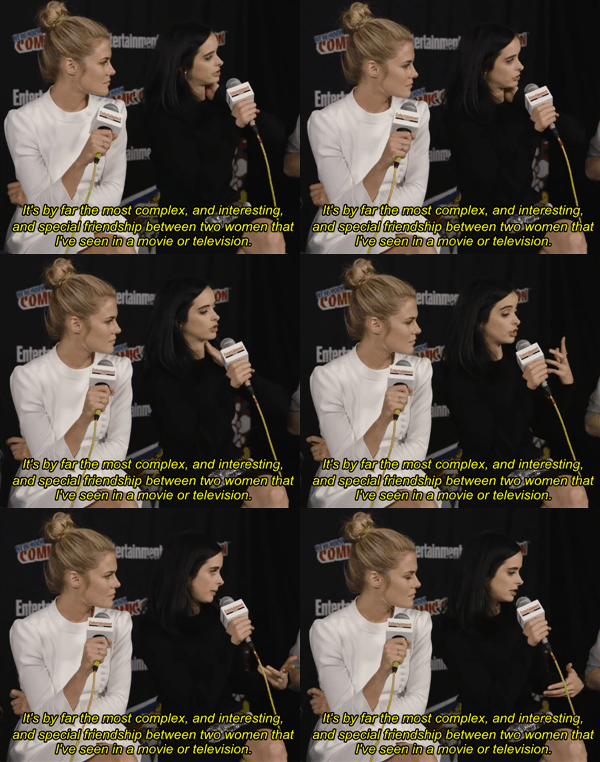
When I saw the trailer for Jessica Jones I thought it would only perfect the good thing Netflix had already started with Daredevil. Not only would we have a dark and thoughtful plot, but we would have a much more diverse cast and more nuanced relationships between female characters.

How could anything possibly go wrong?

Apparently several things could, and did, go wrong. I’ve outlined a couple of the most frustrating aspects of the series below.

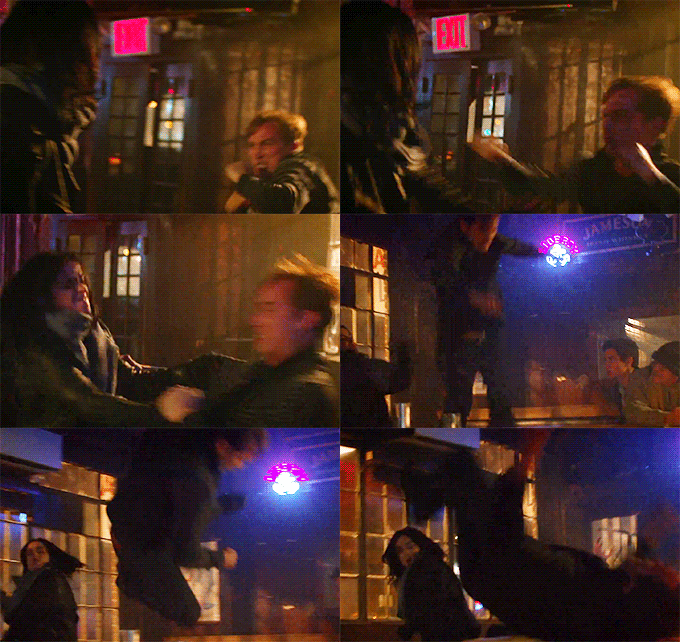
It had mediocre fight scenes

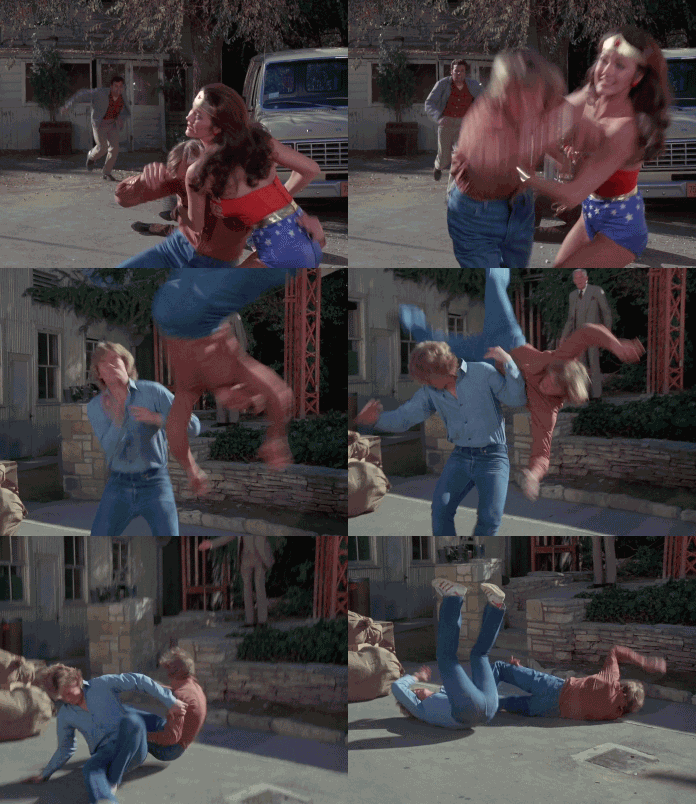
I get that it’s hard to make things look super realistic when you have a 90 pound woman throwing men around like ragdolls. I also get that choreographing these scenes would have to reflect Jones’ extraordinary strength. But is that really an excuse for scenes to look like something straight out of the 70’s?

Generally speaking, the fight scenes in Jessica Jones felt lazy. There are so many other ways you could demonstrate super strength beyond just throwing people, but for both Jones, and often Luke Cage, throwing seemed to be the primary mode of defence.

I mean, wouldn’t punching them in the face just be easier? Continue reading

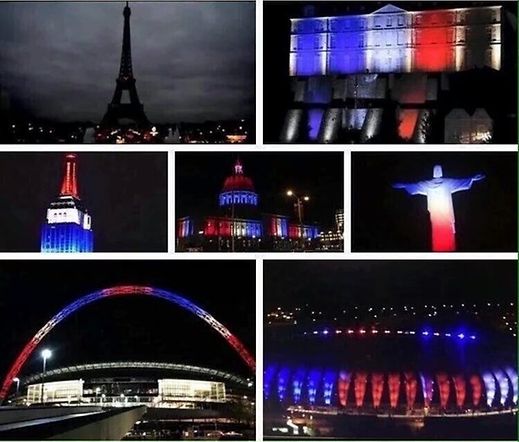
3 Reasons Why the Paris Attack Feels like 9/11 and 1 Reason Why It Demands A Different Response

Since the terrorist attacks in Paris on Friday, I encountered several articles that criticize the way the Western world responded to the tragic loss of life in Paris. While each of these articles bemoans the loss of 132 innocent lives, they also highlight similar atrocities that happened before the Paris attack and were almost completely overlooked.

In a lot of ways this event, and its media response, reminded me of the attack on the Twin Towers in 2001. While the media response to this tragedy has been a little more self-aware, our international reaction has been similar to how it was last time this kind of tragedy affected a Western nation. Rather than discuss the way we responded to these attacks, I wanted to examine why we reacted the way we did.

1) It felt close to home

I remember waking up the morning of 9/11, walking into the living room to see my mom crying. My dad turned to me and told me the world had changed overnight. Hearing about the attacks on Paris gave me the same shiver of fear that I felt that day. I don’t think it’s hard to dissect what motivates that feeling. These particular attacks were frightening because they happened to Western nations, and we in the West are very accustomed to feeling in control. We took control over much of the world during an age of imperialism, colonization, and slavery. Today we continue to control much of the world through unfair aid practices and political manipulation. These kind of attacks are terrifying because they make us feel like we don’t have as much control as we think we do.

Even though last Thursday 45 innocent victims lost their lives to a terrorist attack in Beirut and, 6 months ago a similar attack in Kenya killed 147 innocent people, many of us heard little to nothing about those attacks until their news coverage was compared to what occurred in Paris. In our effort to show solidarity with Paris, the Western world made it apparent that certain tragedies frighten us more than others.

As Elie Fares explained in his blog comparing the media response to the Paris and Beirut attack,

“When my people died, they did not send the world in mourning. Their death was but an irrelevant fleck along the international news cycle, something that happens in those parts of the world.”

Continue reading

Can You Do Halloween Without Buying Into Excessive Consumerism?

We love Halloween. We love getting dressed up. We love carving pumpkins. We love candy.

There is just so much to love, and this year we jumped right into the fray. We even went on John’s first ever haunted house trip, and I had the pleasure of hearing my husband scream in terror.

None of these guys are John, but the same fear is in their eyes.

Unfortunately, Halloween has also become one of the most consumeristic holidays in North America. Here in Canada the amount of money we dish out for Halloween is only second to what we spend on Christmas. Now that Halloween is over, I’ve started to wonder how we could still participate in this holiday without buying in to all the crap we’re told to purchase.

1. Costumes

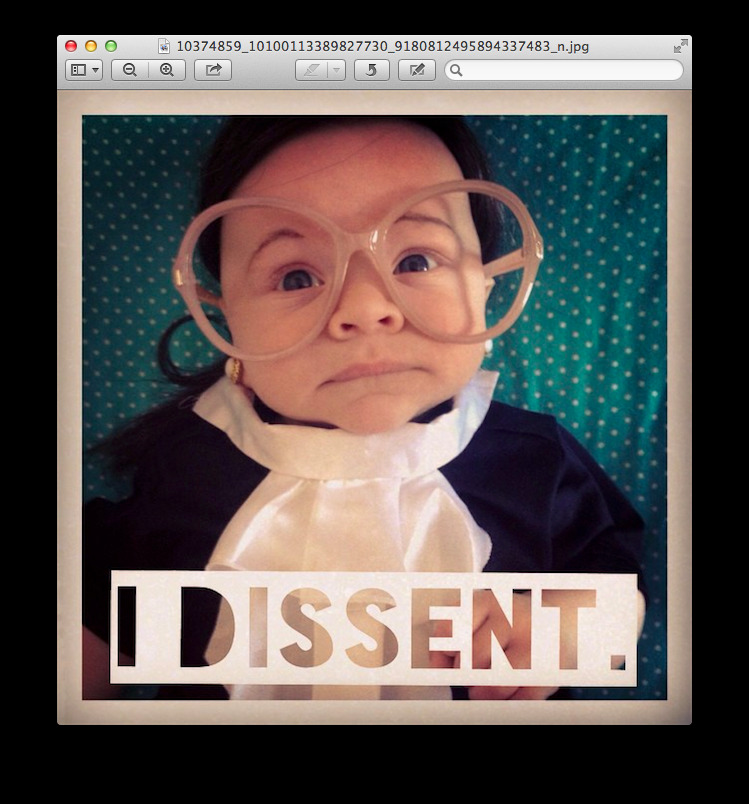
Back in 2013, when we were still doing CWR roundtables, Evan, Gordon and I debated how we felt about the over-sexualized costumes that pop up every year at Halloween. This year, I’ve noticed a lot of women and little girls responding to the typical sexy Halloween nightmare by dressing as their favourite feminist hero. Some of my favourite feminist costumes this year have been “The Notorious RBG” (baby version) and mini Frida Kahlo.

Real life hero costumes are a great tribute, and usually they only involve a quick trip to the thrift store. However, I love seeing the creative alternative costumes that up-cyclers have come up with in their effort to avoid store-bought costumes.

When it comes to costumes, I’m not too worried. As long as I have a bit of time and creativity, I will always be able to avoid buying a ridiculous dollar store costume. Continue reading

We’re Fighting For Our Rights, Not Yours: Suffragette and the Persistence of White Feminism

This month I got to go out and cast my vote in the Canadian federal election. I owe this privilege to women who came before me. Women who sacrificed their time, energy, and sometimes their lives because they believed that we deserved the same privileges as men. Because I’m thankful for the sacrifices those women made, I’m ecstatic to see a film coming out this month that celebrates those women and explores what they went through in order to win us the freedoms we have today.

However, if you have been paying attention to the way the film has been publicized, you may have heard about the controversy surrounding one of its marketing campaigns:

By wearing this particular quote on their shirts, these successful white actresses have demonstrated another instance of what many activists and bloggers have begun to call “white feminism”.  In her article, “This is What I Mean When I Say ‘White Feminism'”, Cate Young explains that

“White feminism is a set of beliefs that allows for the exclusion of issues that specifically affect women of colour. It is “one size-fits all” feminism, where middle class white women are the mould that others must fit.  It is a method of practicing feminism, not an indictment of every individual white feminist, everywhere, always.”

We have seen several recent examples of white feminism play out in our pop culture, like the recent “feud” between Taylor Swift and Nicky Minaj or Patricia Arquette’s Oscar acceptance speech. However, white feminism has negatively affected the lives of women of colour in more than just the pop culture arena. Consider our right to vote, for example. Continue reading