I’m a pretty slow learner when it comes to social media. I feel like I just mastered Facebook when it started going out of style. Unfortunately for me, social media sites are important tools when it comes to blogging. I’ve been making an effort to expand my horizons, starting with Twitter. So far, my favourite thing about Twitter is the hashtags.
First thing’s first, I’d like to extend all the congratulations in the world to Em Liu of Fiction Diversity for having one of her articles hosted on The Hooded Utilitarian. This is thrilling to me for a number of reasons, listed in no particular order: she’s someone I follow and who I’ve had conversations with between our two blogs , The Hooded Utilitarian is one of my go-to places for pop culture critique on the internet, and the topic she wrote on is one that is very near and dear to my own heart, namely: “Hollywood’s (Real) Problem with the Asian Male”.
I very, very strongly recommend that you read it in its entirety, because with the sole exception of one small portion I’ll be addressing I believe it to be the gospel truth. If you still absolutely refuse to for some absurd reason, and I’m going to ask you to check it out again before moving on . . . the post catalogues the portrayal of Asian men in American cinema, specifically in terms of their desirability. It was particularly eye-opening to me in that one of the earliest examples goes back to the late 1950s with The Crimson Kimono [poster on the right, obviously].
After elaborating on how things have mostly been downhill from there, Liu takes care not to shy away from the fact that one of the cultural reactions to this trend has been “a troubling emphasis on the need for the Asian male to simply ‘get the girl‘ onscreen.” Allow me to take a brief, and very relevant segue to discuss how strongly that idea resounds with me, and how badly I once wanted [and oftentimes still do want] this.
The Thirst Is Real [Leonard Nam Should Be In More Stuff]
I very vividly remember being in my early teens and watching a trailer for 2004’s The Perfect Score-
To stop you before you get there, yes, it is funny that Chris Evans [aka Captain America] and Scarlett Johansson [aka Black Widow] appear together years before their stints in the Marvel Cinematic Universe. And yes, in her dream sequence she does imagine becoming a leatherclad ass-kicker, life is weird, isn’t it? Carrying on- Continue reading →
A teaser for the new James Bond film has hit and I am more than a little excited.
It also makes me feel conflicted because so many aspects of the Bond franchise fly in the face of much of what I strongly believe as a feminist. Below, I’ve outlined a few issues I have with the Bond movies, and below that some reasons why I haven’t given up on the franchise altogether. At this point I’m required to warn you about spoilers, although I seriously doubt I will reveal anything you don’t already know about the films.
1) Women are constantly objectified in Bond films
It’s no secret that the James Bond franchise is all about eye-candy, from the cars and gadgets to virtually every women who steps foot on set. Not only are these women present to demonstrate Bond’s power of seduction, they are also present to be viewed by the movie-goer.
And if near naked ladies aren’t enough for you, they will throw in some naked lady silhouettes in the opening credits.
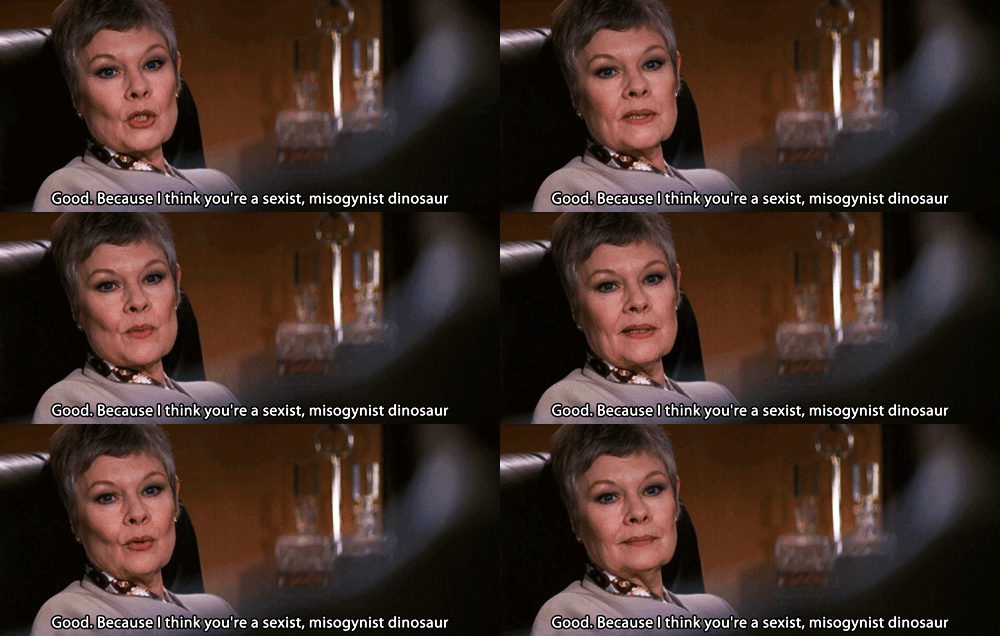
One of the only women to not be sexualized in her role was Judi Dench, who played M in the last seven Bond films. Unfortunately, although not surprisingly, she was killed off in the last film.
So roughly two months ago Gordon said I would be “providing some cutting observations on the state of Tumblr”, and I’ve finally gotten to the point where I’ve done enough research to finally tackle this thing. In this case “this thing” refers to “the internet’s conceptions of Tumblr and its users, specifically those who have been deemed ‘social justice warriors'”. It’s going to be a long one, so sit back, buckle up, and do one other thing you would do when riding in a vehicle.
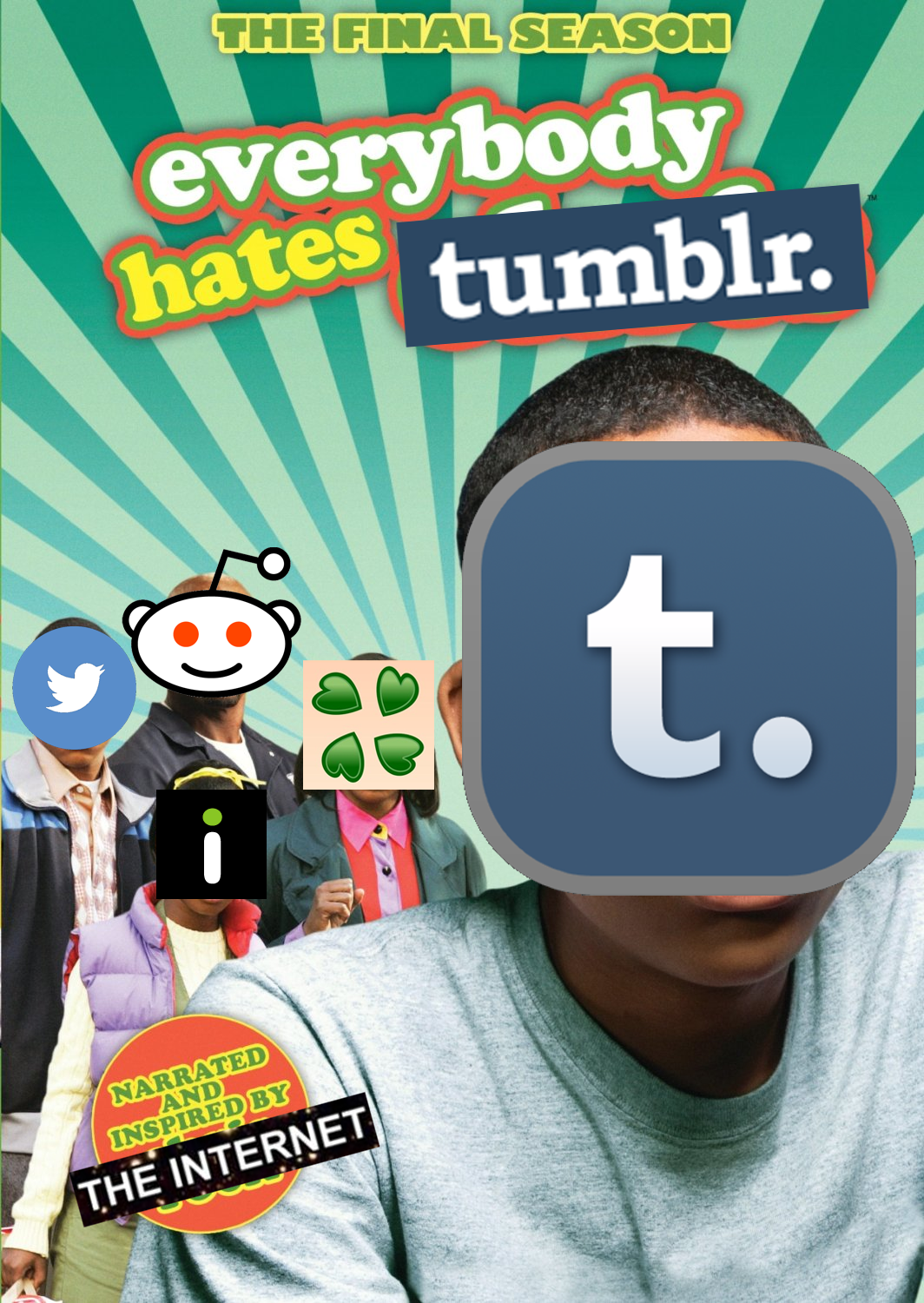
Everybody Hates Tumblr
I’m not going to pretend I know where you spend your time on the internet, but chances are that you’ve come across the general sentiment that Tumblr is “all that is wrong with the internet” or “a literal cancer” or some other hyperbole. It’s gotten to the point where just invoking the site’s name in relation to anything can be, and usually is, a damning condemnation.
As far as I can tell, there exists a much stronger bias towards it than even 4chan, with the latter being heralded as the primordial ooze that the vast majority of our memes come from, a primal, unadulterated place that has stood true to its roots. That’s a conversation for another time, but the point is that Tumblr has come to carry more negatie connotations than other social networking sites, with a lot of that having to do with it being the homeland of SJWs, or “Social Justice Warriors”-
What Is A Social Justice Warrior? [Wow, Google Image Search Has Not Been Kind To That Search Term]
This YouTube video is a pretty short, funny breakdown of what one is:
If you didn’t feel like watching it, here’s what the dude defines it as, providing three definitions that get more and more easy-to-understand:
a derogatory term for people who advocate for socially marginalized groups
In my last post, I told you a little bit about Lisa Nakamura, her research, and the talk she gave at my university about Tumblr activism. I also promised to tell you about her second lecture the next time I wrote.
Both of Nakamura’s lectures were about digital media, but unlike her first talk, her second presentation focused on the physical material of digital technology.
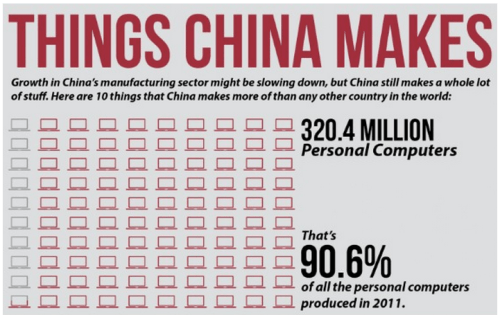
Unless you’ve been hiding under a rock, or recently time-travelled to 2015, you probably wouldn’t be surprised to hear that most of your digital hardware came from Asia. You may even be familiar with the way Asian women have been racialized as innately predisposed to factory work because of their “supposed docility, nimble fingers and attention to mind-numbing detail”.
On Thursday and Friday UVic hosted Lisa Nakamura, Collegiate Professor from the University of Michigan, to speak about her research on Digital Media and Race, Gender and Sexuality. Nakamura has been writing about digital media since 1994. While she has written several books about race and the internet, some of her shorter pieces focus on things like “The Racialization of Labour in World of Warcraft”. In order to feel qualified to write about platforms like World of Warcraft, she spent hours playing the game herself.
On Thursday, Nakamura’s talk was titled “The Digital Afterlife of This Bridge Called My Back: Women of Color, Feminism and the Internet”. She began by giving a brief overview of the book and explained why it matters so much.
As an anthology that prioritized written work by women of colour, This Bridge Called My Back responded to the whitewashing of feminism long before movements like the #SolidarityIsForWhiteWomen hashtag began to highlight the problem. This book also introduced the concept of intersectionality, which has since become a key element of feminist theory.
Unfortunately, since it’s original publication the groundbreaking collection has struggled to remain in print. According to Wikipedia,
“The anthology was first published in 1981 by Persephone Press, and the second edition was published in 1983 by Kitchen Table: Women of Color Press. The book was out in its third edition, published by Third Woman Press, until 2008, when its contract with Third Woman Press expired and it went out of print.”
The book’s struggle to remain in print made it an “artificially scarce commodity” and drove up the price. At its inflated price, the book’s authors might even have been unable to afford their own work.


 I very, very strongly recommend that you read it in its entirety, because with the sole exception of one small portion I’ll be addressing I believe it to be the gospel truth. If you still absolutely refuse to for some absurd reason, and I’m going to ask you to check it out again before moving on . . . the post catalogues the portrayal of Asian men in American cinema, specifically in terms of their desirability. It was particularly eye-opening to me in that one of the earliest examples goes back to the late 1950s with The Crimson Kimono [poster on the right, obviously].



 Culture War Reporters