Category Archives: art

In Defence of the Theatre [or What the Film Version Just Can’t Give You]: A Culture War Report

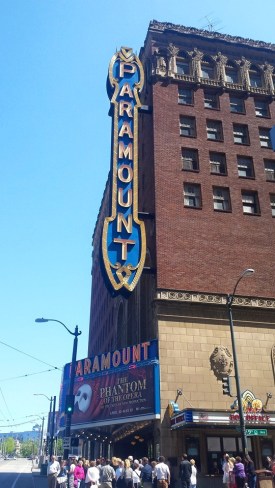
theatreA few weeks ago a close friend called me up because her family had bought a bunch of tickets to see The Phantom of the Opera at Seattle’s Paramount Theatre. Lucky for us, they ended up with a few extra tickets that they needed to sell. The tickets were an incredible deal and Seattle isn’t very far from where we live, so we leapt at the opportunity.

On the day of the play we were ecstatic. In high school, several friends and I had become obsessed with the film version of The Phantom of the Opera. One of these friends made himself a Phantom-like cape for Halloween and even managed to convince the rest of our class that we should have a Phantom of the Opera theme for our grad banquet. While John wasn’t quite as familiar (or obsessed) with Phantom, he had acted in community theatre in high school and was looking forward to seeing a professional version of such a well-known play.

At this point I should probably warn you about spoilers, just in case you have never seen the film or the play. 

Since our tickets were such a great price, we were hardly surprised when we were seated in the nosebleeds. Quite frankly, we didn’t care. We were too busy looking around at the ornate theatre itself.
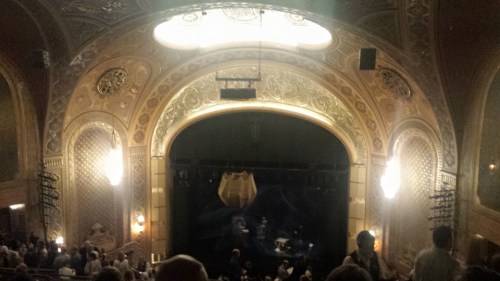
chandalier

This was the only photo I was allowed to take in the theatre itself. As you can see, we were pretty far back. The brown object in the centre is the chandelier, covered up, and the stage is covered with a dark screen that makes all the objects appear covered in cobwebs.

Continue reading

Movies For Socialists

Readers, it’s the beautiful month of May, and you know what that means-

That’s right! It’s a seemingly unending salvo of rabidly Socialist-themed blog posts!

From me, anyways…

Now readers, normally I’d get right into the thick of things and engage in a lengthy tirade on the insidious-and-soul-crushing nature of the Capitalist system and the failure of the radical left to challenge that. But since this post is coming to you late, how about I talk about something a bit lighter than the minutiae of modern political-economy instead?

How about movies?

Everyone likes movies, and lord knows that these ones listed here have probably done more to inspire righteous radicalism in the common man than all of the cliff notes on Das Kapital put together. Whether you’re a dirty, seditious Commie or just a fan of the berets and impassioned speeches, here’s Culture War Reporter’s recommendations for your revolutionary viewing pleasure:

The Edukators (German Title: Die Fetten Jahre Sind Vorbei)

Now right off the bat, yes, that is Daniel Brühl, of Rush and Inglorious Basterds. Now that you’re done wondering “where the **** have I seen that guy?”, let’s get into it.

Our story opens with a cadre of disaffected youth, tired and disillusioned with capitalism but not sure exactly what to do with themselves. The characters find themselves drawn into a campaign of pranking the houses of the wealthy elite- harmlessly, at first, but building momentum and severity. Their well-intentioned social statements spiral wildly out of control when they accidentally kidnap the owners of one of the estates they vandalize. Don’t think this is some cheap action movie though- the quiet, contemplative tone packs just as much punch, if not more, than any thriller.

More than anything, The Edukators is an exploration- touching on the zealotry of youth, the realities of growing up, and idealism in a world where ideals just aren’t relevant. The Edukators raises more questions than it offers, and is sure to convict both revolutionary and reactionary alike. Continue reading

Language as a Product of Cultural Evolution [Or Why Chimpanzees Can’t Talk and We Can]

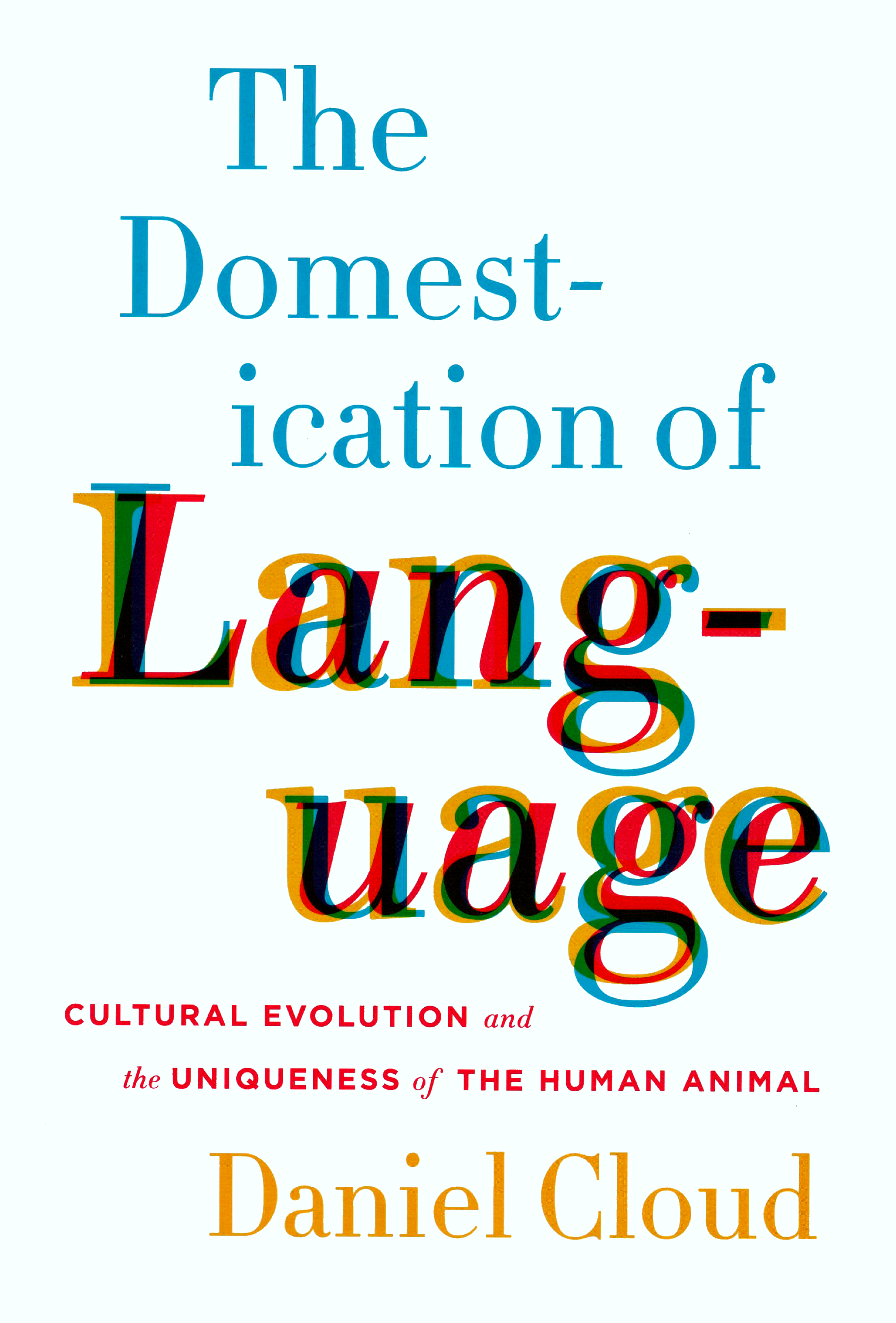
thedomesticationoflanguagecoverThis week I finished The Domestication of Language: Cultural Evolution and the Uniqueness of the Human Animal, a book whose subject matter should be self-evident. Shortly afterwards I was given the opportunity to talk to Daniel Cloud, the author of said work and professor of philosophy at Princeton University.

To summarize it very briefly the book is a thorough and eye-opening examination of language as a piece of culture that has been grown and thus evolved due to choices and actions we’ve made as human beings. While our discussion of his work was incredibly thorough and actually exceeded an hour I’ve managed to cut it down to something that closely approximates a conversation, and one that I hope will convince you to pick up a copy for yourselves.

Evan: Now I will of course be putting together some form of introduction to preface this interview, but I thought it would be good for our readers to hear you describe yourself in your own words-

Cloud: I would say that I am an American philosopher carrying on the American philosophical tradition. I worked in science for a while in Russia and China which gave me some some experience with socioeconomic change; I was in those places during a period of upheaval. Research as a philosopher most interested me when I decided to quit and go back to school. Biology and evolution in particular stood out as I already knew a lot about the social sciences.

Evan: As far as The Domestication of Language: Cultural Evolution and the Uniqueness of the Human Animal is concerned I would describe your primary goal as breaking down the origin of human language. Would you agree with that?

Cloud: My goal was and is to explain where language comes from, yes, but specifically the theory of cultural evolution and if it works relative to language. Language is one type of culture, and the specific type of culture I chose to focus on in this book was words as they’re discrete identities that are easy to identify and track throughout history.

The larger project is actually to track humans as being distinct from other types of living things. To return to language I present it as a tool for exploring the way cultural evolution works. It’s the application of the word “domestication” as seen in the title, the theory that just like animals and plants what we have in the present day is very different from how it began. Words are only the first thing I’ve tried to identify in this way. I could just as easily have turned to fashion or clothes or any other kind of culture. Continue reading

Re: #DontStayInSchool: In Defense of the System

A few weeks ago my brother sent me the following video and asked if I could write about it on the blog. He challenged me to defend academia and promised that he would respond by commenting on why this video resonated so deeply with him. So, although I agree with many of the comments Dave from Boyinaband makes in his video, I’m going to offer you several reasons why our education system can be, and has often been, a good thing.


1. Our education system was designed to promote equality

In his video on the history of education, Salman Kahn explains how our contemporary education system was shaped by ideologies that valued class equality. According to Kahn, the Prussian education system, despite its faults, insisted on providing public education for all citizens. Meanwhile, even the “Committee of Ten”,  the group of educators who originally introduced standardized curriculum, were motivated by their belief that economic status should not prevent students from having access to “higher order” skills. Standardization of curriculum meant that every student would (ideally) have access to the kind of information that was once restricted to the elite.

Continue reading

Ms. Marvel, #13: A Comic Book Review

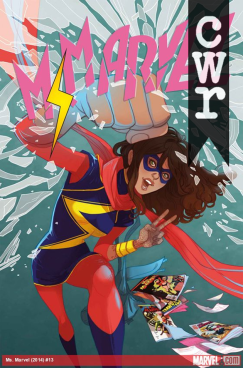
msmarvel13Look, I know I was tough on Ms. Marvel last month. It was a so-so issue, a fact that surprised me greatly considering it guest starred the Norse god of trickery. The thing is, even then I wasn’t worried that it was some sort of herald of less-great things to come, and the latest installment of Kamala Khan’s adventures is one of the best yet.

Everything that was missing from the Valentine’s issue is present here. Inhumans? Check. Genuine hero vs. villain throwdowns? Check. An exploration of the life hyphenated-American youth live, AKA the cornerstone of immigrant literature? Ch-ch-ch-check.

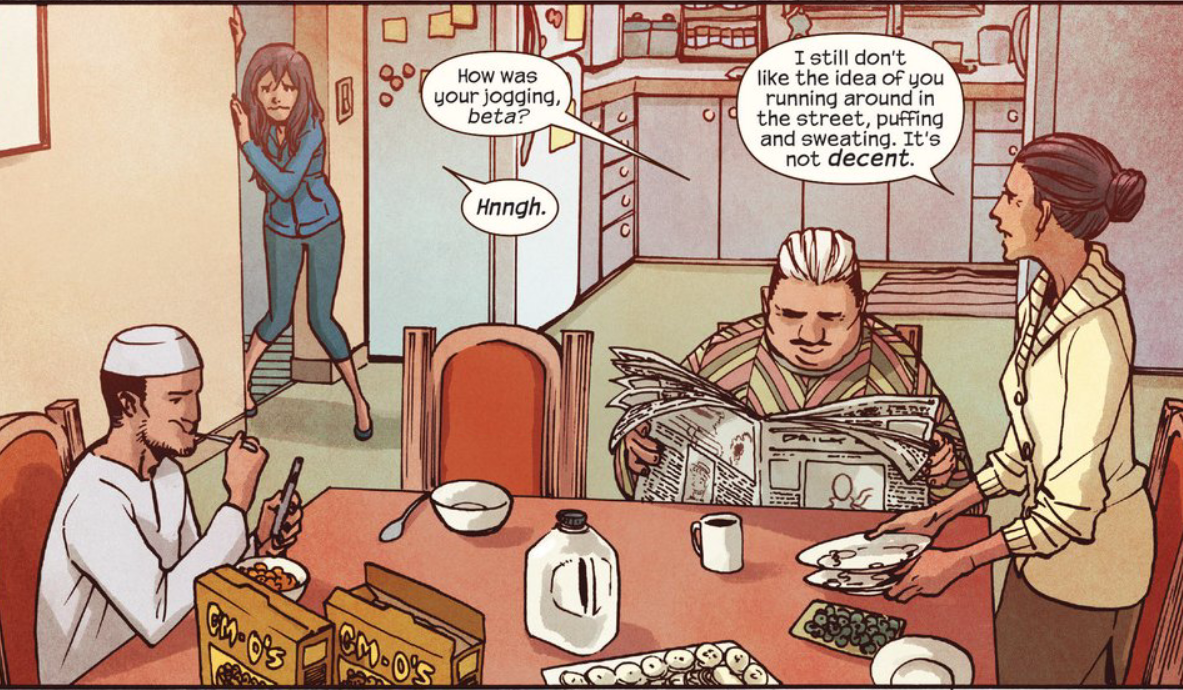
That last point is what truly made me love this comic, because the rest of the Khans get some quality pagetime after being out of the spotlight for so long. Take the following panel-

notdecent

It takes place after we see Kamala training in the Inhuman version of the X-Men’s Danger Room, and while seeing Medusa worry about her subject [she is queen of the Inhumans, after all] is intriguing all I could think of was: “older Pakistani people would probably not be down with the skin-tight leggings she has on.” Lo and behold we have her ammi chiding her for her indecency. Continue reading

2 Broke Girls, S4E13 “And the Great Unwashed”: A TV Review

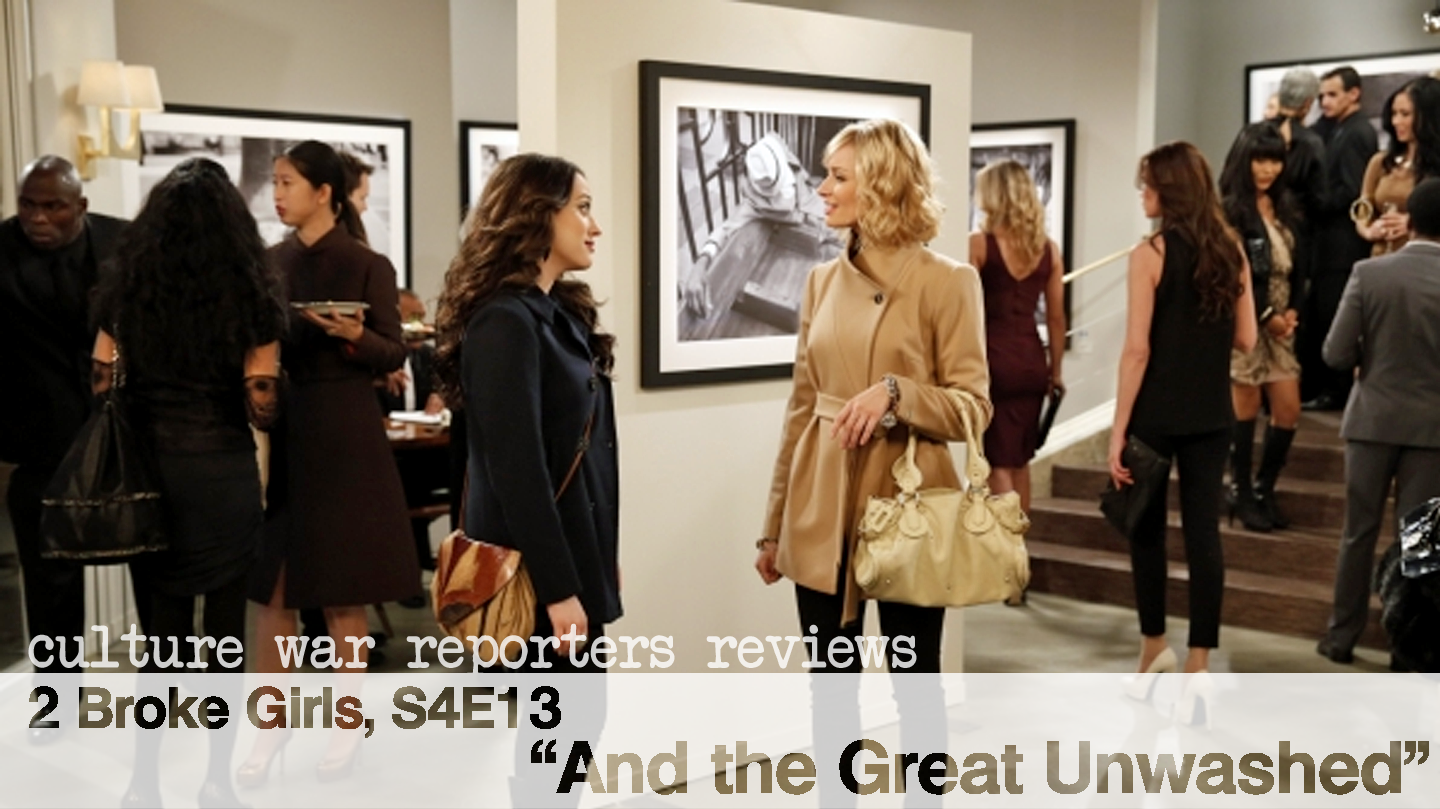
greatunwashed

Between the two titular characters [pun never intended] it should be plainly apparent to you all by now that Caroline is my favourite. Even if Max wasn’t as unfunny and abrasive as I personally find her the former heiress to the Channing fortune is still brimming with just the right amount of optimism and grim awareness about the reality of life to charm anyone. That being said she’s hasn’t received a lot of character work this season and I actually believe the show has been poorer for it.

“And the Great Unwashed” is all about Caroline trying to figure out who she is, or rather, who she wants to be. That sounds deep, I realize, especially for an episode of 2 Broke Girls, but stay with me. Is she a waitress? If she is, what does that mean for the one-time rich girl? Continue reading