
EDITOR’S NOTE: We end this year by each taking a look back and picking our five best posts, explaining both their importance to us and to the world we currently live in. Clicking the banner images will link you to each post, so as 2014 comes to a close join us in remembering how far we’ve come, but also how far we still have to go.
 I chose to sort these posts in the order they were published, so we start things off on a very personal note, one which set the tone for many of the others I wrote in 2014. Our individual choices regarding how we approach physical intimacy can and should differ, and here I thought “out loud” with my fingertips, recording how exactly I got to where I am today.
My stance had its pros and cons weighed, both those other people may see and the ones that I do personally. In exploring them I covered how many other Christians view the act of kissing, used a number of really fantastic gifs, and even embedded a poll [the most responded to on the site] which asked readers which direction I should take from this point onward. No, it had no real effect my personal life choices. Yes, it actually is a dead even 50-50 split at the time of this writing.
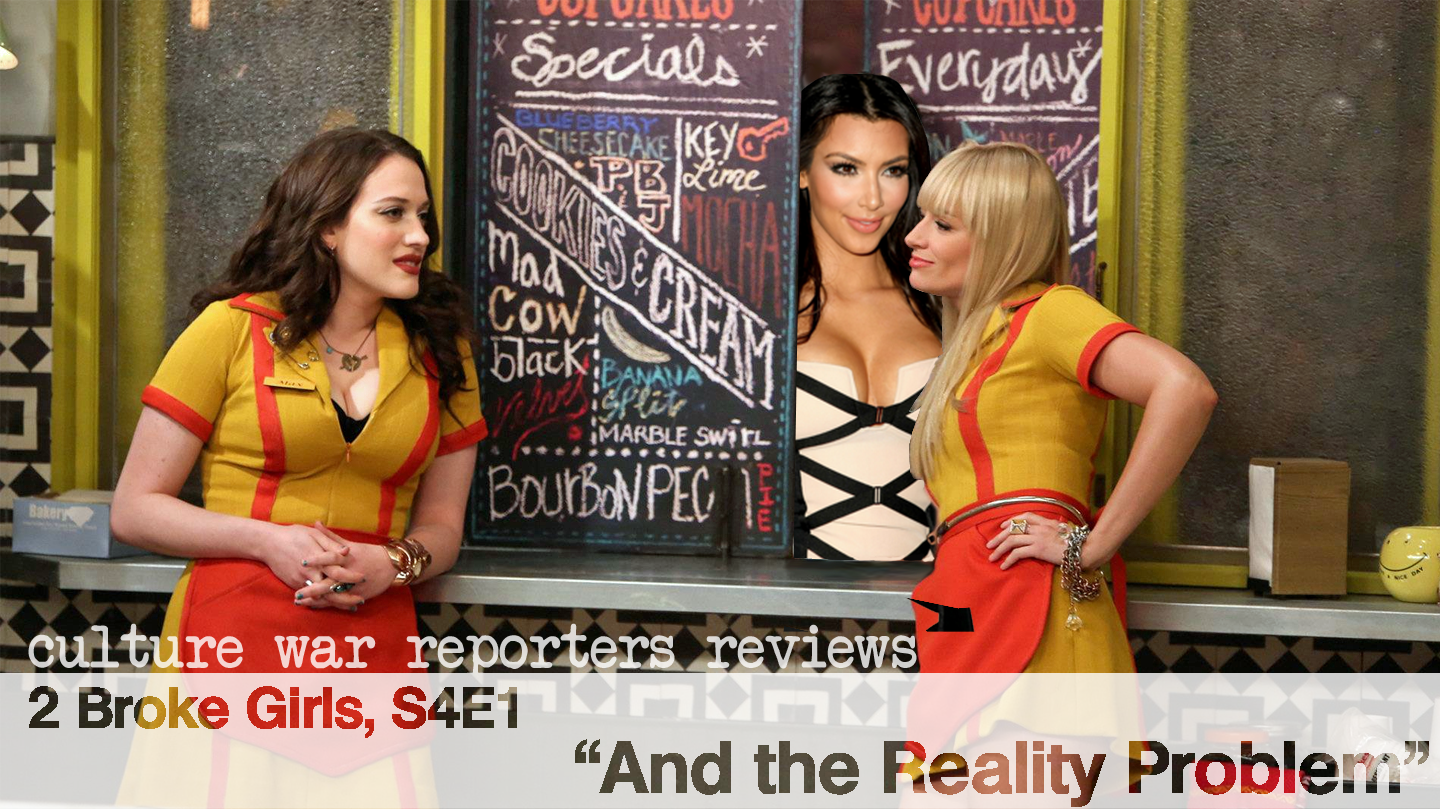
 If you had told me at any point during the year that I would be writing not one, but two analyses of music videos in the very same month I would not have believed you [here’s the other one]. I also would not have been able to guess that the one discussing both Ingrid Michaelson and Jennifer Lopez’s songs would be my personal favourite of 2014.
Sexism continues to be a problem, in popular music especially, and both artists sought to upend how men and women are normally portrayed in the medium of music videos. Unfortunately the results appear to merely perpetuate the status quo [in Lopez’s case] or miss the point entirely by resorting to cross dressing [in Michaelson’s] and likewise continuing to depict the female subjects much more sexily than the male ones. If it’s the thought that counts then consider both successful, but if we want to move anywhere beyond that they’re severely lacking.
 I know this post had to make my list because just thinking about it continues to make me angry. No, it’s not the clickbaity title of the original article, it’s the place from which the writer, Tal Fortgang, addresses all those who dare ask him to “check his privilege”.
My breakdown started before Fortgang’s own open letter, choosing to first pick apart the introduction written by The College Fix associate editor Jennifer Kabbany. It ended with a close analysis of his argument that being both White and male in the United States of America, born to Caucasian parents born to Caucasian parents, has afforded him no advantages in life [FUN FACT: it has].
The number of friends [and I use the term loosely] who I saw sharing this on Facebook drove me to write a counterpoint, and one that I only wish more people could have read. Being told to “check your privilege” should never result in a person writing 1,300 words about why they shouldn’t have to, it should lead them to ask themselves what they just did that was insensitive or wrong.
 This post isn’t the first one to open up with a short work of fiction to prove a point, and come the end of this year it isn’t even the first parable [a feature I may consider adding], but it is a genuine depiction of how Asian and Asian-American viewers feel when being presented with much of today’s pop culture.
Big Hero 6 was a film that should have, given the original source material, starred an all-Japanese cast. Instead we were presented with characters bearing a wide ethnic range not one of which was full-blooded Japanese. As Hollywood and much of the rest of the entertainment industry tunes in to their increasingly more diverse audience choices will be made, and some that will be made to, ostensibly, appeal to more people will instead disappoint those who it should have reached out to in the first place.
After seeing the film for myself I had more hard evidence to back up my original thoughts, but at the end of the day this was an animated children’s movie that could have shone a genuine, earnest light on an actual, single corner of the world and decided not to for the sake of what we’ll call “accessibility”.
 How we view ourselves has so much to do with what we see of ourselves in the media, and that’s just as true when it comes to thoughts of attractiveness as anything else. While pop culture’s depiction of women and how it has impacted the self-esteem of females both young and old the world over has taken centre stage in this particular discussion, and for good reason, what’s often skipped over is how racial minorities are in the exact same boat.
I trace my feelings of aesthetic inadequacy back to a conversation I had several years ago and draw it to the present, where my favourite new sitcom of 2014 a) stars an Asian-American male as the romantic lead and b) has been cancelled. The latter not withstanding, Selfie was more than just hilarious [and it was], it introduced on national TV the concept of Asian men actually being desirable, and it deserves all the credit in the world for that.
The 2014 Culture Wars were, for me, extremely personal. That’s never more apparent than when I picked apart my stance on locking lips, but it also cropped up in my criticism of one of my favourite musical artists. How every one of us chooses to process the world we live in is our own little foray into the conflict this blog takes its title from, and it’s often a conflict in more ways than one.
It falls to every one of us to field our intellectual and emotional reactions, whether it’s to a “Poster Child for White Privilege” or an animated children’s movie that we expected that much more from. This year I decided to let my feelings steer me towards the aspects of culture that directly affected my own life. Who I am as a male Christian Asian-Canadian now-24-year-old provides me with a perspective that you may not share, but my hope is that my observations resonate with you nonetheless.
This year I decided to voice how our culture was impacting me, and it’s an activity that I hope I, and every one of you, will do much more of in 2015.
-Evan.


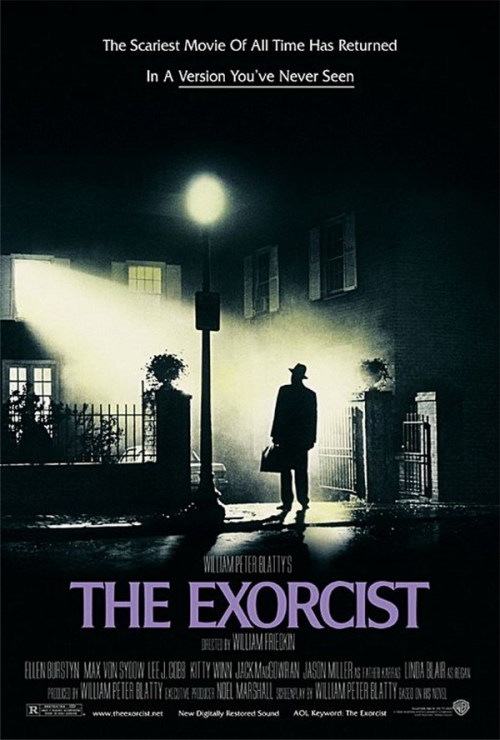 The Exorcist came out in 1973, and while pretty tame by today’s standards, was nonetheless an iconic film which arguably gave birth to the entire “exorcist-film” genre.


 Culture War Reporters